
Which Is More Comfortable for All-Day Wear: A Ring or a Wrist Device?
Compare the comfort of smart rings and wrist devices for all-day wear, including factors like weight, fit, sleep, and skin sensitivity.
Compare the comfort of smart rings and wrist devices for all-day wear, including factors like weight, fit, sleep, and skin sensitivity.
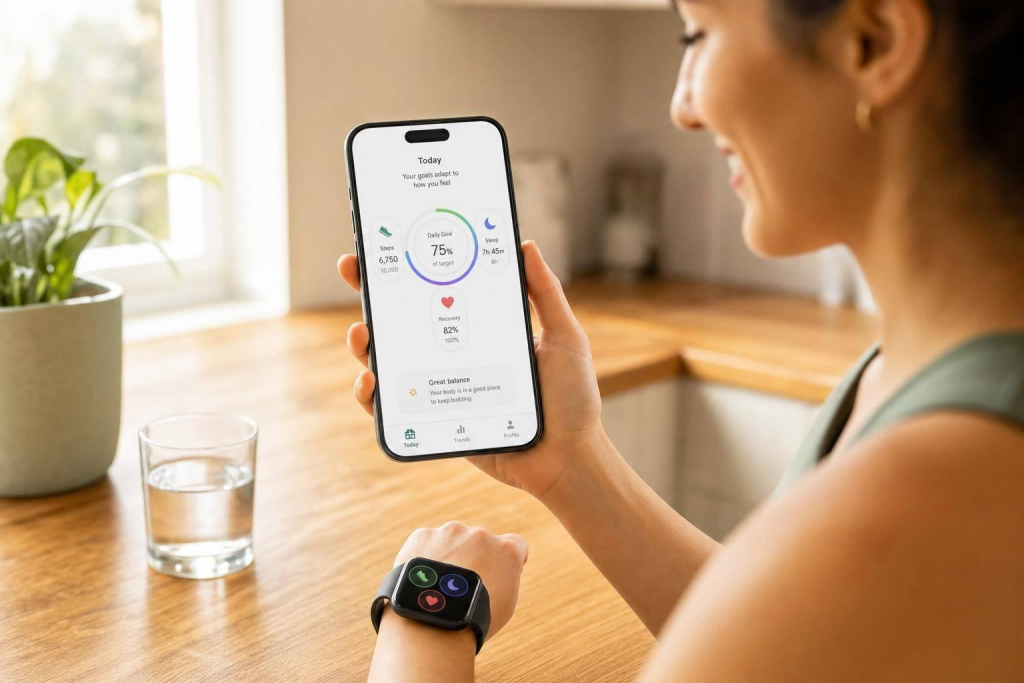
AI tunes wearable and clinical limits into daily, recovery-aware health goals that actually fit your life.
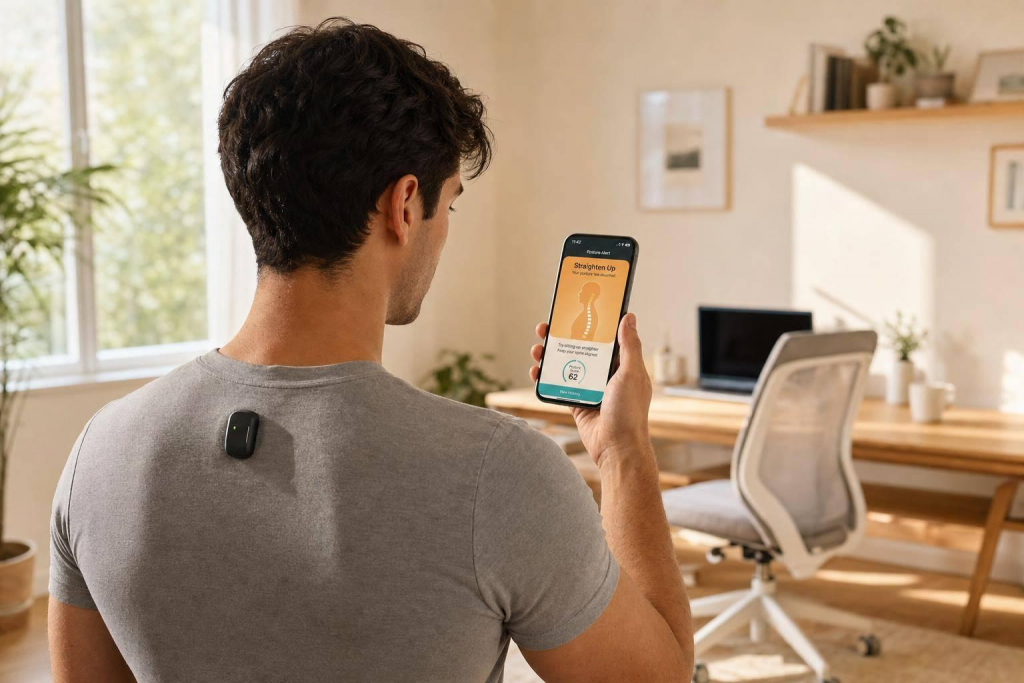
Wearable spine alerts track daily posture and send instant feedback to catch changes between clinic visits, complementing imaging for diagnosis.
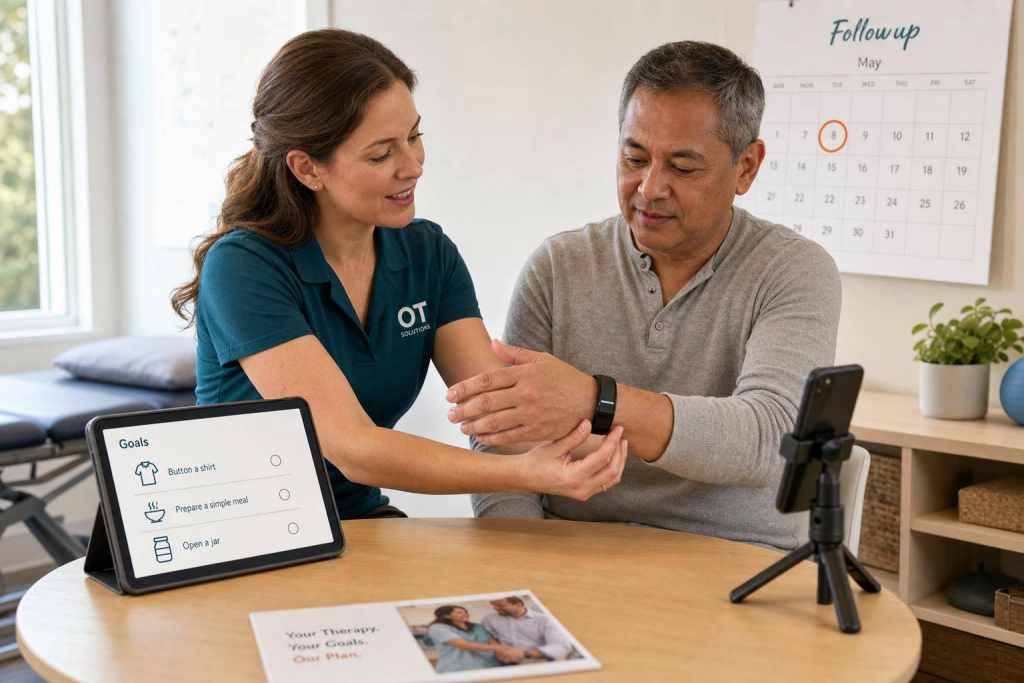
OT RTM onboarding guide: pick right patients, set functional goals, verify return-demo setup, and schedule early follow-ups.
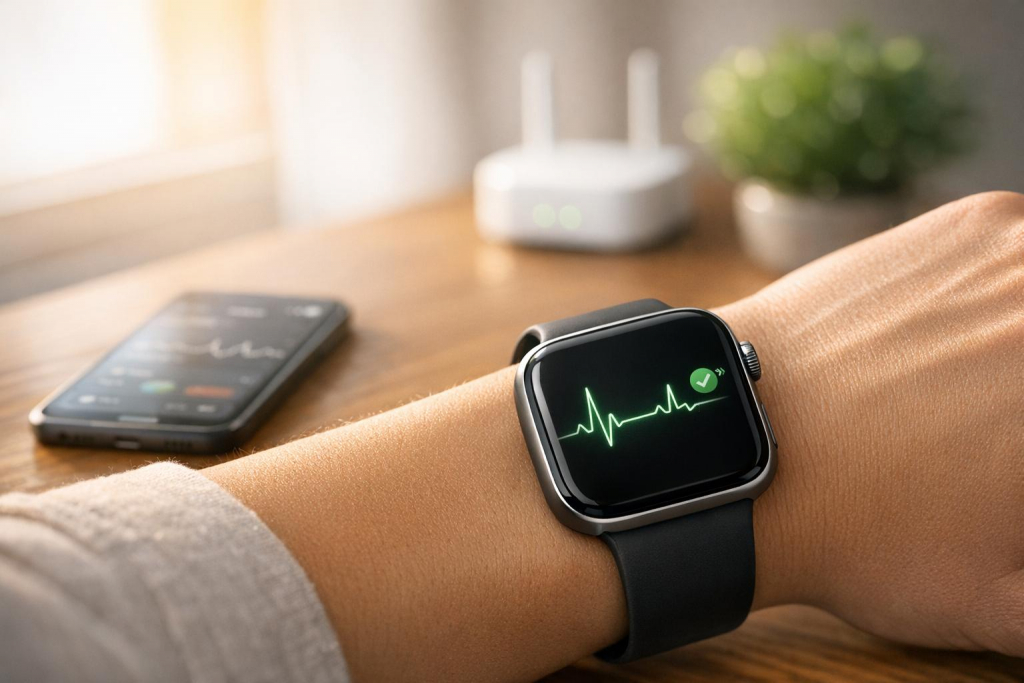
Redundant multi-protocol transmission and local buffering eliminate wearable data gaps that threaten accurate health monitoring.
2025年浙江省科学技术进步奖参与项目公示 根据《2025浙江省科学技术进步奖推荐工作通知》有关要求,现对我院作为参与单位申报2025年浙江省科学技术进步奖的项目“椎间盘退变颈腰痛的疾病负担、发病机理和新型防治体系构建和推广”成果内容予以公示,公示期为2026年06月09日至2026年06月15日(7天),公示期内如对公示内容有异议,请您于2026年06月15日前向爱智康(杭州)科技有限公司办公室反映。 联系人及联系电话:联系人:刘晨旭13848254287 附件:“椎间盘退变颈腰痛的疾病负担、发病机理和新型防治体系构建和推广”项目公示材料 爱智康(杭州)科技有限公司 2026年06月09日
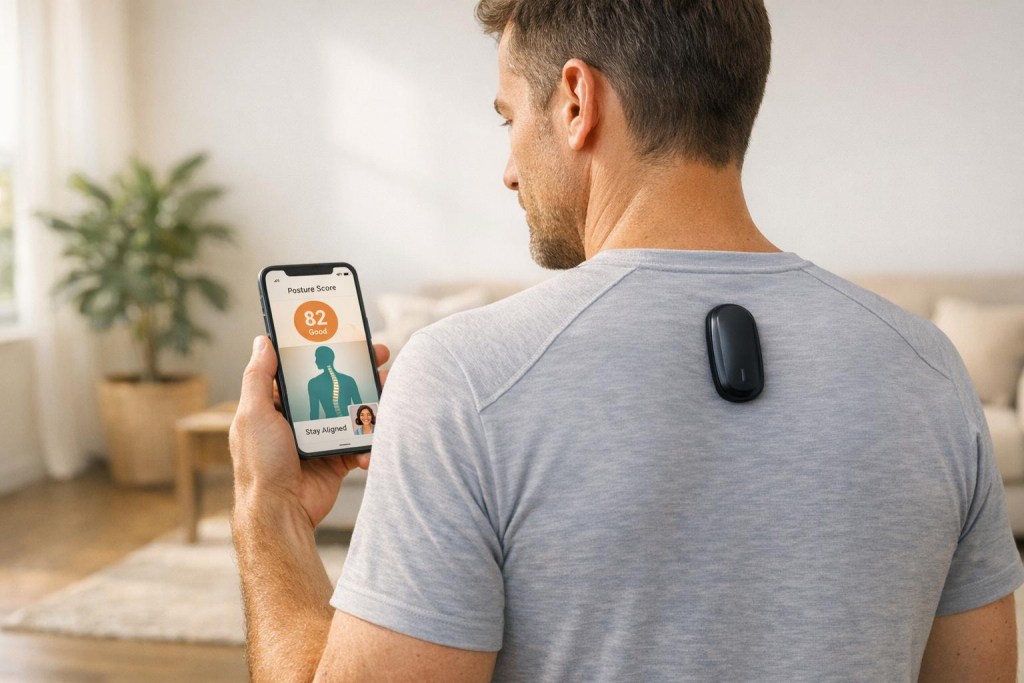
Wearable sensors, AI, and RTM scale spine care beyond clinics—enabling real-time posture monitoring, remote rehab, and prevention.
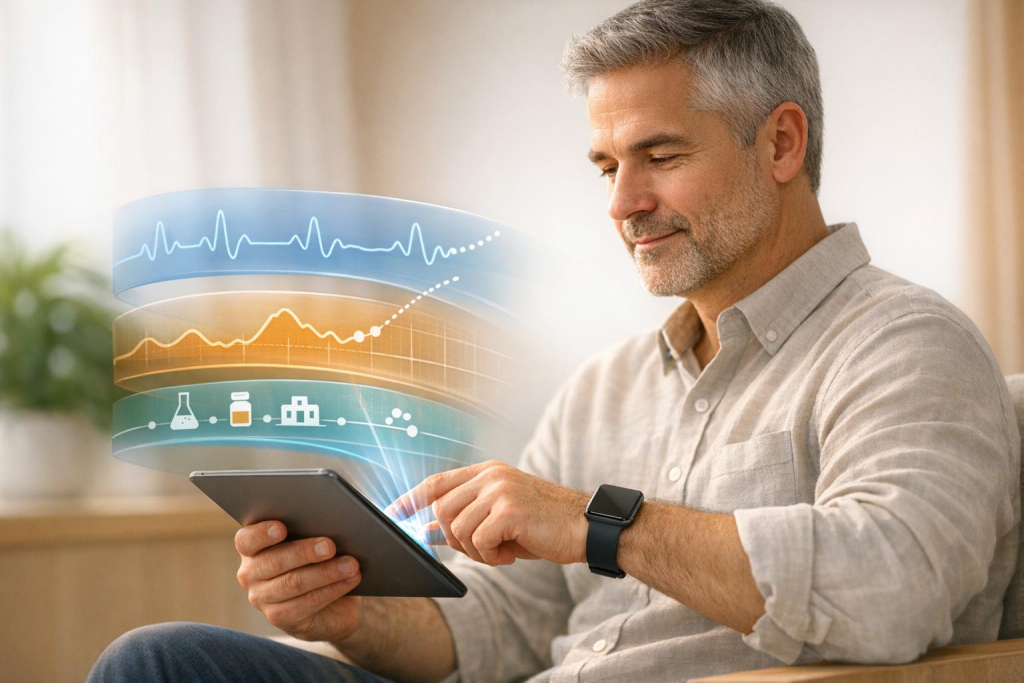
Machine learning, wearables, and EHR integration enable early detection and proactive management of chronic diseases.
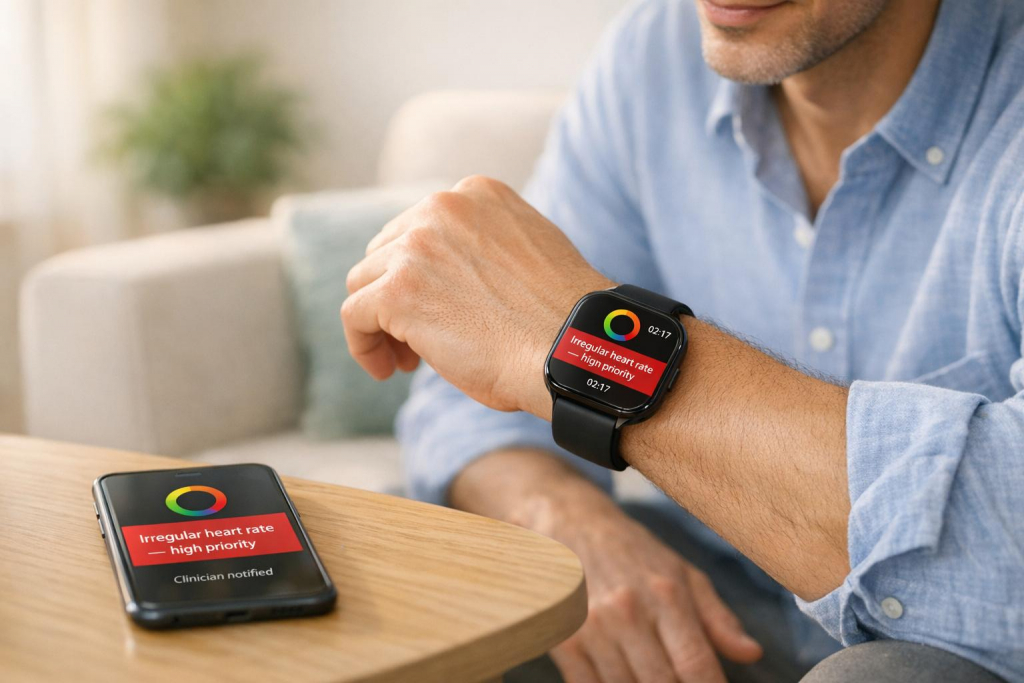
AI-powered wearables monitor vitals 24/7 and send severity-coded alerts to patients and clinicians for proactive chronic care.
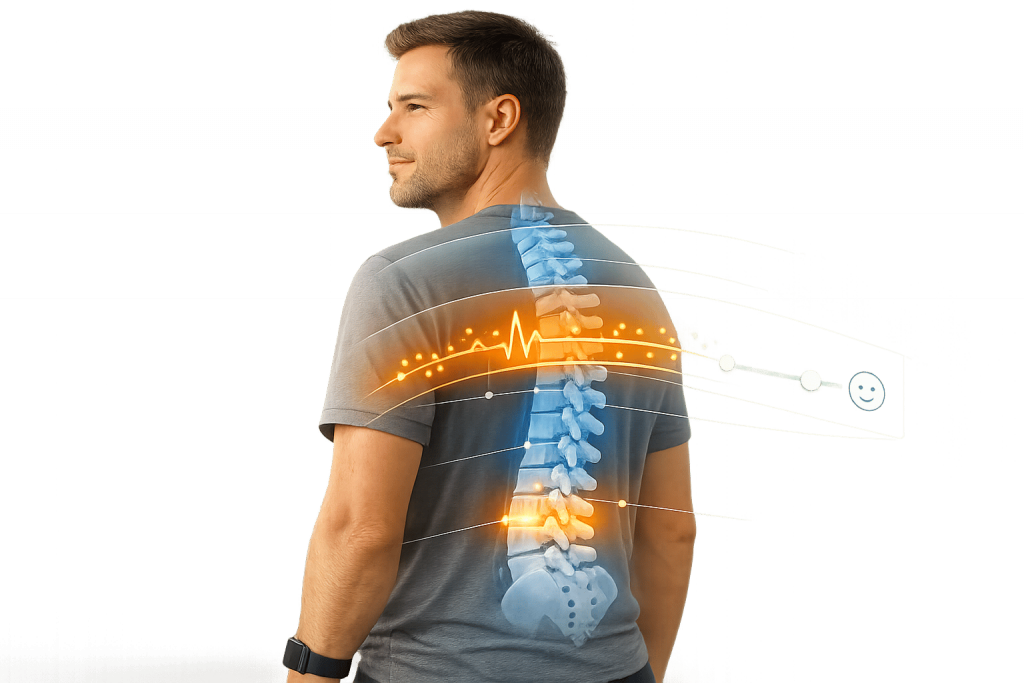
AI predictive algorithms combine imaging, wearables, and patient-reported data to personalize spine diagnosis, triage, and recovery monitoring.